




Atlanta, GA Dog Bite Injury Attorneys
Every year, thousands of Georgia residents suffer serious injuries from dog attacks. These incidents can result in painful wounds, permanent scarring, emotional trauma, and overwhelming medical expenses. If you or a loved one has been bitten or attacked by a dog in the Atlanta metro area, you deserve experienced legal representation that understands the complexities of Georgia animal liability law. At Cambre & Associates, our dedicated personal injury attorneys fight to hold negligent dog owners accountable and secure the full compensation our clients deserve. Call us today at (478) 412-4127 for a free consultation.
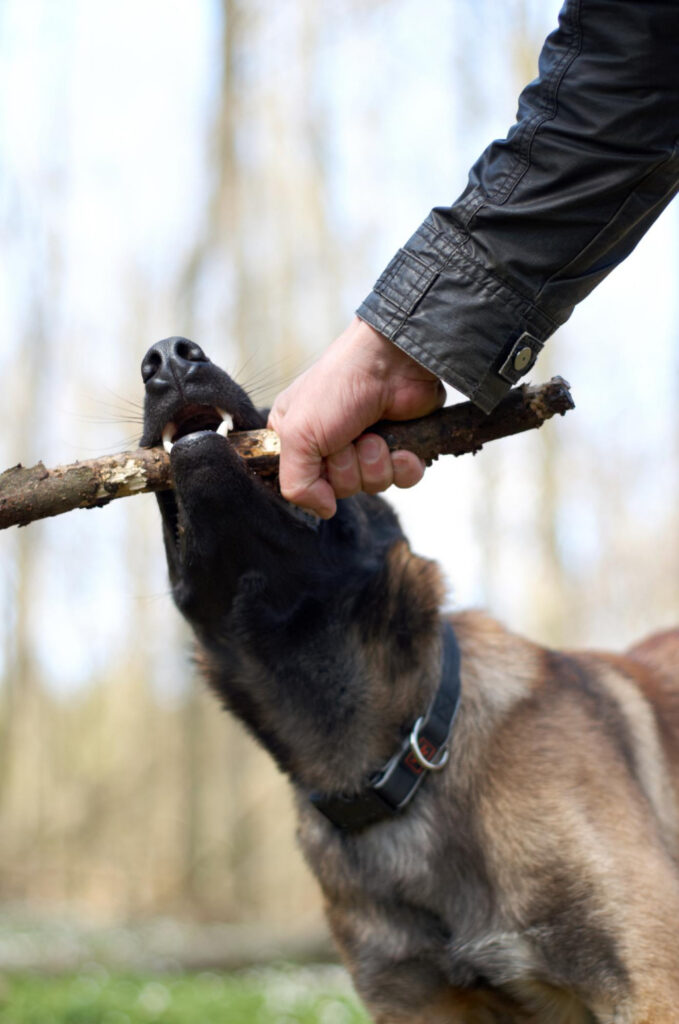
Dog Bite Legal Representation in Georgia
Georgia law provides specific protections for victims of dog bite injuries. Unlike some states that impose automatic strict liability for all dog bites, Georgia follows a modified liability approach that considers the dog’s history, the owner’s knowledge of aggressive tendencies, and the circumstances surrounding the attack. Navigating these legal requirements demands an attorney who understands the nuances of Georgia’s animal liability statutes, local leash ordinances, and the strategies insurance companies use to minimize or deny legitimate claims. At Cambre & Associates, we have the knowledge and resources to build strong cases for dog bite victims across the Atlanta metro area.

Residential Dog Attack Claims
The majority of dog bite incidents occur in residential settings, often involving a neighbor’s pet, a family member’s dog, or an animal encountered while visiting someone’s home. Regardless of the relationship between the parties, dog owners in Georgia have a legal obligation to control their animals and prevent them from causing harm to others. Our attorneys handle residential dog attack claims with both sensitivity and determination, ensuring that victims receive the compensation they need for medical treatment, lost wages, and pain and suffering. We thoroughly investigate each incident, gathering evidence such as animal control records, witness statements, and veterinary histories to establish the owner’s liability.
Stray and Loose Dog Injury Cases
Stray dogs, loose animals, and dogs that have escaped from their yards or enclosures pose a serious threat to public safety throughout metro Atlanta. When a stray or loose dog injures someone, determining liability can be more challenging. In many cases, the dog’s owner can still be identified through animal control records, microchip data, or neighborhood investigation. In other situations, liability may fall on a property owner, a landlord, or a municipality that failed to address a known stray animal problem. Our legal team conducts thorough investigations to identify all potentially liable parties and pursue every available avenue of recovery for our clients.
Dog Bite Claims Against Property Owners
Property owners may bear responsibility for dog bite injuries even if they do not own the animal that caused the attack. Under Georgia premises liability principles, property owners have a duty to maintain reasonably safe conditions for visitors, guests, and invitees. If a property owner knows that a dangerous dog is present on their premises and fails to take adequate precautions, such as posting warning signs, securing the animal, or restricting access, they may be held liable for resulting injuries. This is particularly relevant in cases involving rental properties, commercial establishments, and common areas in apartment complexes. Cambre & Associates has extensive experience pursuing claims against property owners and their insurance carriers in dog bite cases throughout Georgia.
Dog Bite Injury Advocacy
Dog bite injuries range from minor puncture wounds to catastrophic, life-altering trauma. The severity of the injury directly impacts the value of a claim, and our attorneys understand how to document and present these injuries to maximize compensation. We work closely with medical professionals, plastic surgeons, mental health experts, and life care planners to build comprehensive cases that reflect the true impact of a dog bite on the victim’s life.
Facial and Disfigurement Injuries
Dog bites to the face are among the most devastating injuries a victim can suffer. These attacks frequently result in deep lacerations, tissue loss, nerve damage, and permanent scarring that may require multiple reconstructive surgeries. Facial disfigurement affects a victim’s appearance, self-confidence, social interactions, and career opportunities. Children are especially vulnerable to facial injuries due to their smaller stature. Our attorneys pursue maximum compensation for facial and disfigurement injuries, accounting for current and future surgical costs, ongoing treatment needs, and the profound emotional impact of living with permanent scars.
Child Dog Bite Cases
Children account for a disproportionate number of dog bite victims in Georgia and across the country. Young children are more likely to approach unfamiliar dogs, less capable of recognizing warning signs of aggression, and more vulnerable to severe injuries due to their size. Dog bites can cause lasting physical and psychological harm to children, including scarring, developmental setbacks, and a deep-seated fear of animals. Georgia law recognizes the special vulnerability of child victims, and our attorneys are experienced in handling these sensitive cases. We work with pediatric specialists and child psychologists to document the full scope of a child’s injuries and ensure that compensation addresses both immediate and long-term care requirements.
Infection and Disease Transmission Claims
Dog bites carry a significant risk of infection and disease transmission. The bacteria present in a dog’s mouth can cause serious infections including cellulitis, sepsis, MRSA, and pasteurella infections. In more severe cases, dog bites can transmit rabies, tetanus, and other dangerous diseases requiring aggressive medical treatment. Infection-related complications can lead to extended hospitalization, intravenous antibiotic therapy, additional surgeries, and in rare cases, amputation. Our legal team works with infectious disease specialists to document the causal connection between the dog bite and resulting complications, which is critical to securing full compensation.
Emotional Trauma and PTSD Claims
The psychological impact of a dog attack is often just as debilitating as the physical injuries. Many dog bite victims experience post-traumatic stress disorder (PTSD), severe anxiety, depression, nightmares, and a persistent fear of dogs that can interfere with daily life. Children may develop behavioral changes, sleep disturbances, and difficulty functioning in school or social settings. Georgia law allows dog bite victims to recover compensation for emotional distress in addition to physical damages. Cambre & Associates works with licensed mental health professionals to document our clients’ emotional suffering and ensure that the full spectrum of their injuries is reflected in their compensation.
Multiple Attack and Severe Mauling Cases
Some of the most serious dog bite cases involve sustained attacks by one or more dogs, resulting in severe mauling injuries. These incidents can cause deep tissue damage, broken bones, traumatic brain injuries, and extensive blood loss requiring emergency medical intervention. Victims of severe mauling attacks often face months or years of recovery, multiple surgeries, and permanent disability. In cases involving multiple dogs, multiple owners or custodians may share liability. Our attorneys have the experience and resources to handle complex, high-value mauling cases and pursue every responsible party.
Dog Bite Claims Against Landlords
Landlords in Georgia may be held liable for dog bite injuries caused by a tenant’s animal under certain circumstances. If a landlord knows that a tenant’s dog is dangerous and fails to take action, such as enforcing pet restrictions in the lease, requiring the tenant to remove the animal, or warning other tenants and visitors, the landlord can be held responsible for resulting injuries. Courts have also found landlords liable when they retain control over common areas where dangerous dogs are allowed to roam freely. Our legal team has successfully pursued landlord liability claims in dog bite cases and understands the evidence needed to establish these claims.
Georgia Dog Bite Liability Laws
Georgia’s approach to dog bite liability is governed primarily by O.C.G.A. § 51-2-7, which establishes the framework for holding dog owners responsible when their animals injure others. Under this statute, a dog owner may be held liable if the dog is considered “vicious” or “dangerous” and the owner was careless in managing the animal or allowed it to roam free. Georgia courts have interpreted this to mean that the injured party must generally show that the dog had known dangerous propensities and that the owner was aware of those tendencies. This is sometimes referred to as the “one-bite rule,” though it does not literally require a prior bite. Evidence of aggressive behavior, lunging, growling, or prior complaints to animal control can all be used to establish that an owner knew or should have known their dog was dangerous.
In addition to the state statute, many cities and counties throughout metro Atlanta have enacted local leash laws and animal control ordinances. Violations of these local laws can serve as powerful evidence of negligence in a dog bite case. Georgia’s Responsible Dog Owner Act (O.C.G.A. § 4-8-20 et seq.) also provides additional protections by classifying certain dogs as “dangerous” or “vicious” based on their behavior and imposing strict requirements on their owners, including mandatory insurance, secure enclosures, and registration with local authorities. Failure to comply with these requirements can strengthen a victim’s case significantly.
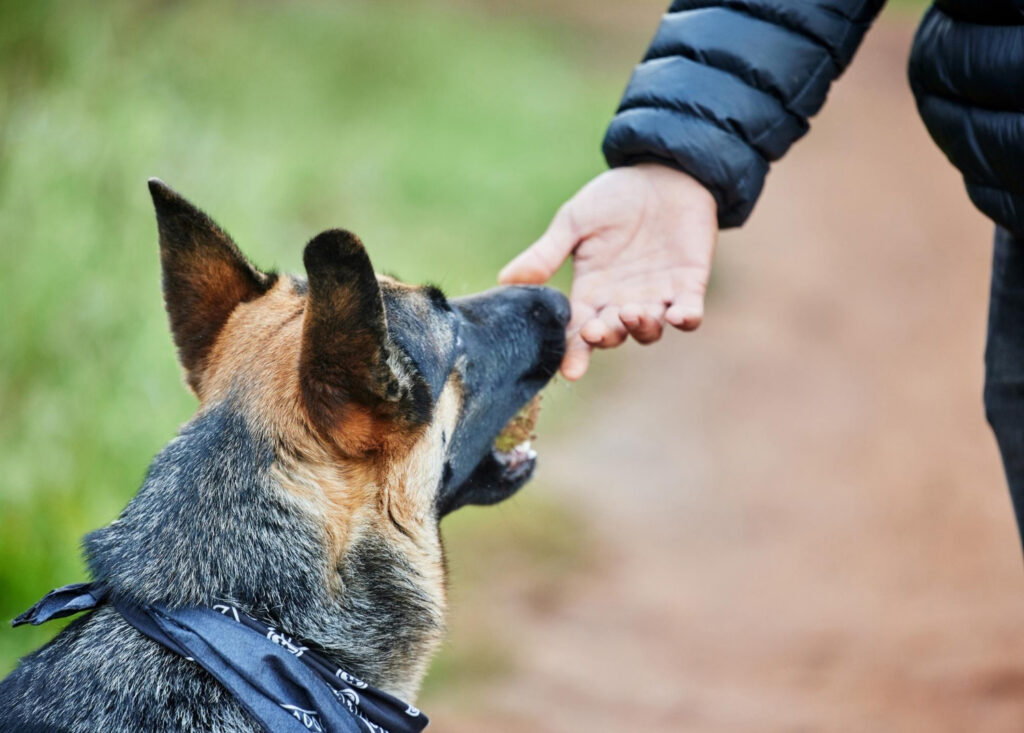
Why Choose Cambre & Associates?
When you have been injured in a dog attack, choosing the right attorney can make the difference between a lowball settlement and the full compensation you deserve. Cambre & Associates brings a combination of legal expertise, thorough preparation, and aggressive advocacy to every dog bite case we handle.

Thorough Investigation of Dog Bite Incidents
A successful dog bite claim begins with a thorough investigation. Our legal team moves quickly to preserve and gather critical evidence, including photographs of injuries and the scene, animal control reports, medical records, witness statements, and the dog’s vaccination and behavioral history. We also investigate the dog owner’s background, including any prior complaints or citations involving the animal.
Understanding of Georgia Animal Liability Law
Dog bite cases in Georgia involve a unique combination of statutory law, local ordinances, and common law principles that differ significantly from other personal injury claims. Our attorneys have a deep understanding of Georgia’s animal liability framework, including O.C.G.A. § 51-2-7, the Responsible Dog Owner Act, and relevant local leash laws. This specialized knowledge allows us to identify the strongest legal theories for each case and anticipate the defenses that dog owners and their insurance companies are likely to raise.
Aggressive Negotiation With Insurance Companies
Insurance companies routinely undervalue dog bite claims, offering quick settlements that fail to account for ongoing medical treatment, future surgeries, lost earning capacity, and emotional suffering. At Cambre & Associates, we do not accept lowball offers. Our attorneys aggressively negotiate with insurance carriers, armed with thorough documentation and expert medical opinions. When insurance companies refuse to offer fair compensation, we are fully prepared to take the case to trial.
Proven Track Record With Injury Claims
Our firm has a strong history of obtaining favorable outcomes for personal injury clients throughout Georgia. We have successfully recovered compensation for dog bite victims suffering from a wide range of injuries, from minor wounds requiring stitches to catastrophic mauling injuries resulting in permanent disability. Our clients trust us to handle their cases with professionalism and an unwavering commitment to achieving the best possible result.
Our Other Related Services
Cambre & Associates offers experienced legal representation across a full range of personal injury practice areas:

Back & Neck Injuries

Bicycle & E-Scooter Accidents

Car Accidents

Catastrophic Injuries

Medical Malpractice

Motorcycle Accidents

Nursing Home Abuse
Pedestrian Accidents

Premises Liability

Product Liability

Public Transportation Accidents

Slip & Fall

Soft Tissue & Joint Injuries

Truck Accidents

Uber & Lyft Accidents

Workplace Injuries

Wrongful Death
Communities We Serve Throughout Metro Atlanta
Cambre & Associates provides legal services to injured individuals across the greater Atlanta metropolitan region, maintaining accessibility for clients in numerous communities. Our knowledge of local courts, procedural requirements, and regional insurance practices creates strategic advantages throughout the claims process. We meet clients at convenient locations when injuries limit their ability to travel to traditional office settings.
Here are the communities where we provide representation:

See What Our Customers Have To Say
Seek Justice for Dog Bite Injuries Today!
If you or someone you love has been injured in a dog bite attack in Atlanta or anywhere in the metro area, do not wait to seek legal help. Georgia’s statute of limitations imposes strict deadlines for filing personal injury claims, and critical evidence can be lost if action is not taken quickly. At Cambre & Associates, we offer free, no-obligation consultations to help you understand your legal rights and options. Our experienced personal injury attorneys will review the details of your case, explain the potential value of your claim, and outline the steps we will take to pursue the compensation you deserve. Contact Cambre & Associates today to schedule your free consultation and take the first step toward holding the responsible parties accountable.
Call (478) 412-4127 to schedule your free consultation today.
Available 24/7
No Fees Unless We Win
Serving All of Metro Atlanta

Frequently Asked Questions
What should I do immediately after a dog bite in Georgia?
After a dog bite, your first priority should be seeking medical attention, even if the wound appears minor. Dog bites can cause infections and other complications that may not be immediately apparent. Once you have received medical care, report the incident to your local animal control agency and document everything you can, including photographs of your injuries, the location of the attack, and the dog involved. Obtain the dog owner’s name, contact information, and homeowner’s insurance details if possible. Collect contact information from any witnesses. Avoid giving recorded statements to insurance companies before speaking with an attorney.
Can I sue if the dog has never bitten anyone before?
Yes. Despite the common misconception about Georgia’s “one-bite rule,” you do not need to prove that the dog has previously bitten someone in order to recover compensation. Under O.C.G.A. § 51-2-7, you must show that the dog had dangerous or vicious propensities and that the owner knew or should have known about those tendencies. Evidence of aggressive behavior short of an actual bite, such as growling, lunging, snapping, or prior complaints to animal control, can be sufficient to establish the owner’s knowledge. Additionally, if the owner violated a local leash law or other animal control ordinance, that violation may serve as evidence of negligence regardless of the dog’s prior history.
What compensation can dog bite victims recover in Georgia?
Dog bite victims in Georgia may recover compensation for a wide range of damages, including medical expenses (both past and future), lost wages and lost earning capacity, pain and suffering, emotional distress, scarring and disfigurement, and loss of enjoyment of life. In cases involving permanent disability or the need for ongoing treatment, victims may also recover compensation for future care and rehabilitation costs. In rare cases involving particularly egregious conduct by the dog owner, punitive damages may be available. The value of each claim depends on the severity of the injuries, the extent of recovery, and the strength of the evidence establishing liability.
How long do I have to file a dog bite claim in Georgia?
In Georgia, the statute of limitations for personal injury claims, including dog bite cases, is generally two years from the date of the injury under O.C.G.A. § 9-3-33. You must file your lawsuit within two years of the date of the attack, or you risk losing your right to seek compensation. There are limited exceptions that may extend or shorten this deadline, such as claims involving minors or claims against government entities. Because evidence can deteriorate and witnesses’ memories can fade over time, it is important to consult with an attorney as soon as possible after a dog bite incident.
Who is liable if a renter’s dog bites someone?
When a renter’s dog bites someone, both the renter and, in some cases, the landlord may be held liable. The renter, as the dog’s owner, bears primary responsibility for controlling the animal. However, a landlord may also be liable if they knew or should have known that the tenant’s dog was dangerous and failed to take appropriate action. For example, if a landlord received complaints about a tenant’s aggressive dog but did not enforce pet restrictions in the lease or take steps to protect other tenants, the landlord could share liability. The specific terms of the lease agreement, the landlord’s knowledge of the animal, and the landlord’s control over common areas are all important factors in determining landlord liability.
Can I recover compensation if the dog was provoked?
Georgia law does recognize provocation as a potential defense in dog bite cases. Under O.C.G.A. § 51-2-7, the dog owner may argue that the victim’s actions provoked the animal, which could reduce or eliminate the owner’s liability. However, the provocation defense has significant limitations. The provocation must be sufficient to cause a reasonable dog to react aggressively, and the burden of proving provocation falls on the dog owner. Minor or unintentional actions, such as a child accidentally stepping on a dog’s tail, are generally not considered sufficient provocation to bar recovery. Georgia follows a modified comparative negligence standard, meaning that even if you are found partially at fault, you may still recover compensation as long as your share of fault does not exceed 50 percent.