



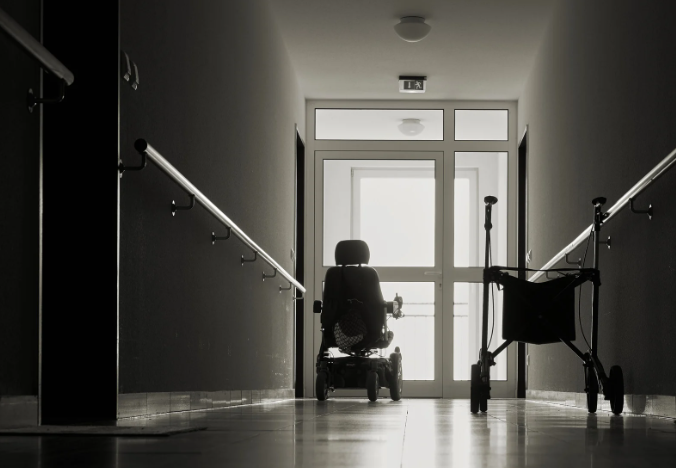
Placing a loved one in a nursing home or long-term care facility is one of the most difficult decisions a family can make. It comes with a fundamental expectation: that the facility will provide safe, dignified, competent care. When that expectation is violated, the harm can be devastating, and far too often, it goes undetected for months.
Georgia families need to understand the difference between neglect and abuse, how to recognize the warning signs of each, and exactly what to do when something feels wrong. Below, we break down the legal definitions under Georgia law, the reporting channels available to families, and the legal options available when a nursing home’s failures cause serious harm. If you believe your loved one has been harmed, our nursing home abuse attorneys are here to help.
Neglect vs. Abuse: The Legal Distinction in Georgia
The terms neglect and abuse are often used interchangeably, but Georgia law draws a clear distinction between them. That distinction matters for understanding what happened to your loved one, reporting it to the right authorities, and pursuing appropriate legal action.
Under Georgia Code § 30-5-3, abuse is defined as the willful infliction of physical pain, physical injury, sexual abuse, mental anguish, unreasonable confinement, or the willful deprivation of essential services by a caretaker. The defining element of abuse is intent. Abuse is something a caretaker does deliberately, whether from malice, frustration, a desire to control, or a conscious decision to withhold what a resident needs.
Neglect, by contrast, is defined as the absence or failure to provide goods or services necessary to avoid physical harm, mental anguish, or mental illness. Neglect does not require intent. A facility can be responsible for severe neglect through chronic understaffing, inadequate training, systemic failures in care protocols, or simple indifference to residents’ needs, regardless of whether any individual acted with purpose to harm. The harm caused by neglect can be just as serious, and sometimes just as fatal, as the harm caused by intentional abuse.
Both are illegal under Georgia law, both can support civil lawsuits, and both can trigger regulatory action against a facility. Understanding which category your loved one’s situation falls into shapes how a case is investigated and prosecuted, but it does not determine whether your family has legal recourse. In many situations, both neglect and abuse are present simultaneously.
Types of Nursing Home Abuse
Nursing home abuse takes multiple forms, and not all of them leave visible marks. Families need to be aware of the full range of abusive conduct so they can recognize it when it appears.
Physical Abuse
Physical abuse includes any intentional use of force against a resident that results in pain, injury, or impairment. This encompasses hitting, slapping, pushing, shoving, kicking, burning, and the improper use of physical or chemical restraints. Signs include unexplained bruises, particularly in unusual locations such as the torso, upper arms, or inner thighs; fractures inconsistent with the stated cause; abrasions suggesting restraint use; and injuries that are explained in ways that do not match their appearance or location. Repeated injuries in the same resident, or injuries that appear after a specific staff member interacts with your loved one, are red flags that warrant immediate investigation.
Emotional and Psychological Abuse
Emotional abuse is among the hardest to detect because it leaves no visible marks. It includes threatening, intimidating, humiliating, insulting, isolating, and demeaning a resident through verbal or nonverbal conduct. Staff members who demean residents, mock their cognitive impairments, threaten to withhold care unless a resident complies, or systematically isolate a resident from family and other residents are committing psychological abuse. Signs include sudden personality changes, withdrawal from activities the resident previously enjoyed, fearfulness around specific staff members, reluctance to speak in front of caregivers, or a resident who becomes agitated when certain staff approach.
Sexual Abuse
Sexual abuse includes any non-consensual sexual contact with a resident, including contact with a resident who lacks the cognitive capacity to consent. Residents with dementia or other cognitive impairments are particularly vulnerable because they may not be able to report what happened or may not be believed when they do. Signs include unexplained genital injuries or infections, torn or stained clothing, bruising to the inner thighs or pelvic area, and behavioral changes including sudden fear, agitation, or regression in a resident with dementia. Any report of sexual contact from a resident should be taken seriously and investigated immediately.
Financial Exploitation
Financial exploitation occurs when a caretaker misuses, steals, or diverts a resident’s financial assets without authorization. This includes forging signatures on checks or legal documents, using a resident’s credit cards or banking accounts without permission, coercing a resident to change their will or power of attorney, and charging for services that were never provided. Signs include unexpected changes in a resident’s bank accounts, missing personal property, unfamiliar charges on financial statements, and new or altered legal documents that the resident does not understand or did not meaningfully authorize.
Chemical Restraint
Chemical restraint is a form of physical abuse that receives less attention but is prevalent in long-term care settings. It involves the inappropriate use of sedatives, antipsychotics, or other medications to manage a resident’s behavior for the staff’s convenience rather than the resident’s clinical benefit. Signs include a resident who seems unusually sedated, lethargic, or confused without a medical explanation, or a sudden change in a resident’s medication regimen that is not explained by a documented clinical need. Overmedication can accelerate cognitive decline and increase fall risk, and it represents a serious violation of a resident’s rights.
Types of Nursing Home Neglect
This pattern of mistreatment often develops gradually, and its early signs can be dismissed by families or attributed to aging or illness. That attribution is exactly what allows neglect to persist until it causes serious harm. The following categories cover the most common forms.
Medical Neglect
Medical neglect occurs when a facility fails to provide necessary medical care, fails to follow physician orders, delays treatment for observable symptoms, or fails to monitor residents with known health conditions. It includes failure to administer medications on schedule, failure to document and report changes in a resident’s condition to the treating physician, inadequate wound care, and failure to prevent or treat infections. Catastrophic injuries such as sepsis from untreated infections, strokes from unmonitored blood pressure, and complications from unmanaged diabetes can all result from medical neglect.
Pressure Ulcers (Bedsores)
Pressure ulcers, commonly called bedsores, are one of the clearest indicators of nursing home neglect. They develop when a resident is left in the same position for too long without repositioning, causing skin breakdown from sustained pressure. Stage 1 and Stage 2 pressure ulcers are generally preventable with appropriate repositioning protocols every two hours, adequate hydration, and proper nutrition. Stage 3 and Stage 4 ulcers, which can extend to muscle and bone, represent serious failures in basic care and can become life-threatening when infected. A resident who develops significant pressure ulcers in a nursing home setting has almost certainly experienced neglect.
Nutritional Neglect

Residents who are not being adequately fed, hydrated, or assisted with eating will show observable signs. Unexplained or rapid weight loss, muscle wasting, sunken eyes, dry mouth, infrequent urination, dark urine, and skin that tents when pinched are all indicators of malnutrition or dehydration. Nutritional neglect is particularly dangerous for older adults whose bodies have less reserve capacity and whose organs are more vulnerable to the effects of dehydration. A resident who loses significant weight during a nursing home stay without a documented medical explanation deserves immediate investigation.
Hygiene and Personal Care Neglect
Residents who are not being assisted with bathing, grooming, oral hygiene, and toileting will show visible signs. Soiled clothing, body odor, unwashed hair, overgrown or dirty nails, and dental problems all indicate that staff are not performing basic personal care. These failures often correlate with understaffing and reflect a systemic failure by the facility to provide sufficient personnel to meet residents’ daily needs.
Environmental Neglect
Environmental neglect refers to unsafe or unsanitary living conditions. Rooms that are not cleaned regularly, pest infestations, broken call lights or other safety equipment, wet or slippery floors without appropriate precautions, and extreme room temperatures are all forms of environmental neglect. Falls that occur because safety equipment is broken or hazards are not addressed represent a foreseeable and preventable category of harm. Georgia nursing facilities are governed by Chapter 111-8-40 of the Georgia Compiled Rules and Regulations, which establishes specific standards for physical plant maintenance, sanitation, and safety.
Georgia Residents’ Rights You Should Know
Every resident of a Georgia nursing home or long-term care facility has specific legally protected rights under O.C.G.A. § 31-8-100 et seq., Georgia’s Bill of Rights for Residents of Long-Term Care Facilities. These rights are not aspirational guidelines. They are legal requirements, and violations of them can constitute actionable conduct in a civil lawsuit.
Residents have the right to be treated with dignity, respect, and consideration of their individuality at all times. They have the right to privacy for personal visits and confidentiality for medical records. They have the right to participate in decisions about their own care and to refuse treatment. They have the right to be free from physical and chemical restraints imposed for the convenience of staff rather than for medical necessity. They have the right to communicate freely with family members and to receive visitors. They have the right to a clean, safe, and comfortable living environment. They have the right to manage their own financial affairs or to have a trusted representative do so on their behalf.
When a facility systematically violates these rights, even in ways that do not result in obvious physical injury, that conduct can support both regulatory complaints and civil litigation. Violations of residents’ rights are taken seriously by the Georgia Department of Community Health’s Healthcare Facility Regulation division, which has authority to impose fines, require corrective action plans, and revoke a facility’s operating license.
Warning Signs to Watch for During Visits
Family members who visit regularly are in the strongest position to recognize changes that may indicate neglect or abuse. Many families miss warning signs because they attribute them to the natural course of their loved one’s illness or age. The following changes deserve careful attention and follow-up.
Physical changes that warrant concern include unexplained bruises or injuries, significant and unexplained weight loss, signs of dehydration, new or worsening pressure ulcers, poor oral hygiene, unchanged clothing across multiple visits, or a room that is consistently dirty or malodorous. These are physical manifestations of care failures that would not occur in a well-run facility with adequate staffing.
Behavioral and emotional changes are equally important. A resident who was previously engaged and communicative becoming withdrawn, frightened, or unusually quiet deserves attention. Fear or anxiety around specific staff members, reluctance to speak when staff are present, tearfulness or expressions of hopelessness that are new, or a resident who asks to leave or expresses fear about their safety are all signals that should not be dismissed as ordinary aging.
Look also at the facility environment. Are call lights answered promptly? Does staff seem rushed and inattentive? Are there visible maintenance problems that have persisted across visits? Is the facility consistently short-staffed on weekends or evenings? Is there high staff turnover? These systemic indicators often predict resident-level harm before that harm becomes visible in an individual resident.
How to Report Nursing Home Abuse or Neglect in Georgia
If you observe signs of abuse or neglect, act quickly. Documentation and reporting should begin the same day, not after you have gathered more information or discussed the situation with other family members. Evidence is perishable. Injuries heal. Witnesses’ memories fade. Electronic records can be altered or lost. Acting promptly protects your loved one and preserves the evidence that any future legal action will require.
Document everything first
Before making any report, document what you observed. Photograph any visible injuries, skin conditions, or hygiene issues. Note the date, time, and location of your observations in writing. Write down exactly what your loved one said, using their words as closely as possible. Record the names of any staff members who were present. If a staff member makes a statement that minimizes or explains away what you observed, write that down too. Photographs and contemporaneous written notes become critical evidence in both regulatory investigations and civil litigation.
Report to the facility administration
Notify the facility’s administrator or director of nursing in writing of your concerns. A written complaint, whether by email or letter, creates a record that the facility cannot later claim it was unaware of the problem. Do not rely solely on verbal conversations, which the facility can later deny or mischaracterize. Ask for a written response detailing what investigation was conducted and what steps are being taken. Keep copies of all correspondence.
Contact the Georgia Department of Community Health
For nursing homes and other long-term care facilities in Georgia, the primary regulatory complaint channel is the Department of Community Health, Healthcare Facility Regulation (HFR) division. HFR has authority to investigate complaints, conduct unannounced inspections, issue citations, impose civil money penalties, and revoke operating licenses. You can reach HFR by calling 1-800-878-6442 or through the Georgia Department of Community Health website. Reports are confidential, and Georgia law protects reporters from retaliation.
Contact Adult Protective Services
Separately from the HFR complaint, you can report suspected abuse, neglect, or exploitation to Georgia’s Adult Protective Services (APS). For the Atlanta metropolitan area, contact APS Central Intake at 404-657-5250. Outside of metro Atlanta, call 1-866-552-4464. APS investigates reports of abuse and neglect of at-risk adults, including those residing in nursing facilities, and can connect families with protective services. Georgia law protects reporters from civil liability for making reports in good faith.
Contact the Long-Term Care Ombudsman
The Georgia Long-Term Care Ombudsman Program provides independent advocates for nursing home and assisted living residents. Ombudsmen investigate complaints, work to resolve issues within facilities, and serve as a resource for families navigating the system. You can locate your local ombudsman through the Georgia Division of Aging Services or by calling the statewide ombudsman program. The ombudsman does not have regulatory enforcement authority but can apply significant pressure on facilities and assist families in understanding their rights.
Call 911 for immediate danger
If you believe your loved one is in immediate danger of harm, do not wait to file a regulatory complaint. Call 911. Law enforcement can investigate suspected criminal conduct, including physical abuse, sexual abuse, and financial exploitation, and can remove a resident from danger. Georgia law provides criminal penalties for caretakers who commit acts of abuse against vulnerable adults under O.C.G.A. § 30-5-8.
Legal Options When a Nursing Home Causes Serious Harm

Reporting to regulatory agencies and law enforcement is important, but those processes do not compensate your family for the harm your loved one suffered. Civil litigation is the mechanism that holds facilities financially accountable and recovers compensation for the damages caused by their failures.
A civil nursing home abuse or neglect lawsuit can recover medical expenses caused by the facility’s failures, including emergency care, hospitalization, wound treatment, and specialist consultations. It can recover pain and suffering damages for the physical pain, emotional distress, and loss of dignity your loved one experienced. In cases where a resident developed a life-threatening condition or suffered permanent harm, these non-economic damages can be substantial.
If nursing home neglect or abuse caused a resident’s death, surviving family members may bring a wrongful death claim seeking compensation for the full value of the life lost. The estate may simultaneously pursue a survival action recovering the resident’s pre-death medical expenses, funeral costs, and the pain and suffering they endured before death.
Georgia nursing homes are regulated facilities, which means that documented violations of state regulations can be introduced as evidence of negligence per se, significantly strengthening a civil case. Your attorney will obtain all inspection records, deficiency citations, survey reports, and staffing data from the facility and from state regulatory databases. These records often reveal a pattern of failures that predated your loved one’s injury and demonstrate that the facility knew or should have known its practices were creating dangerous conditions.
Cases against nursing homes frequently name multiple defendants, including the operating company, the management company if different, and individual employees who committed acts of abuse. Identifying every responsible party expands the pool of available compensation and ensures accountability at every level of the organization.
The statute of limitations for nursing home neglect and abuse civil claims in Georgia is generally two years from the date the injury occurred or was discovered. For claims arising from a resident’s death, the two-year period runs from the date of death. Acting promptly is essential both to preserve evidence and to protect your family’s right to pursue compensation.
If your loved one received treatment for injuries caused by nursing home neglect or abuse, medical liens may affect any eventual settlement. Hospitals and health insurers that covered treatment often have subrogation rights. An attorney can negotiate those liens to maximize your loved one’s net recovery. Read more in our guide on what it means when a hospital files a lien in your injury case.
Frequently Asked Questions
What is the difference between nursing home abuse and neglect?
Abuse involves intentional harmful conduct toward a resident, whether physical, emotional, sexual, or financial. Neglect involves the failure to provide necessary care, and it does not require intent. A facility can be legally responsible for neglect even if no individual staff member meant to harm anyone, if chronic understaffing, inadequate training, or poor management resulted in residents not receiving the care they needed. Both are illegal under Georgia law and both support civil lawsuits.
What are the most common signs of nursing home neglect in Georgia?
The most observable signs of neglect include pressure ulcers, significant and unexplained weight loss, dehydration, poor personal hygiene, soiled or unchanged clothing, untreated wounds or infections, and a resident who seems persistently confused or sedated without a clinical explanation. Behavioral changes such as withdrawal, fearfulness, and expressions of hopelessness can also signal neglect or abuse, particularly emotional neglect or psychological abuse.
Who is required to report nursing home abuse in Georgia?
Georgia law at Code Section 31-8-80 designates specific categories of mandatory reporters for residents of long-term care facilities, including physicians, nurses, pharmacists, social workers, and other healthcare professionals. These individuals are legally required to report suspected abuse, neglect, or exploitation or face misdemeanor charges. All other persons, including family members, are strongly encouraged to report but are not legally mandated. Georgia law protects anyone who reports in good faith from civil liability.
Can I sue a nursing home if my loved one developed bedsores?
Yes. Pressure ulcers at Stage 3 or Stage 4 are widely recognized in the medical community as preventable injuries when proper care protocols are followed. A resident who develops serious bedsores in a nursing home setting has almost certainly experienced neglect in repositioning, nutrition, hydration, or wound monitoring. An attorney can assess the facility’s care records, staffing data, and wound care documentation to determine whether the pressure ulcers resulted from actionable neglect.
What should I do if a nursing home tells me my loved one’s injuries are normal for their age or condition?
Do not accept that explanation without verification. Nursing facilities sometimes attribute signs of neglect or abuse to the natural progression of a resident’s illness to discourage complaints. Document what you observed, consult with your loved one’s primary care physician or a specialist who is not affiliated with the facility, and contact an attorney who can review the medical records and facility documentation. Many apparent coincidences of timing, pattern, and location in nursing home injuries reflect facility failures rather than natural disease progression.
Does reporting to the state protect my loved one from retaliation?
Georgia law prohibits facilities from retaliating against residents who file complaints or against family members who report suspected abuse or neglect. If you believe your loved one is experiencing retaliation for a complaint, document it and report it to the ombudsman and the Department of Community Health immediately. In extreme situations, your attorney can seek emergency court intervention to prevent further harm or to facilitate a transfer to a safer facility.
How long does a nursing home neglect lawsuit take in Georgia?
Timeline varies based on injury severity, the number of defendants, and how the facility and its insurers respond to a claim. Cases that resolve through pre-litigation settlement can sometimes close within twelve to eighteen months. Cases that require litigation can take two to four years, particularly when liability is contested or when the facility’s parent company disputes corporate responsibility. An attorney can give you a realistic projection based on the specific facts of your family’s case.
About Cambre & Associates
Cambre & Associates is a personal injury law firm representing injured clients and their families throughout metro Georgia, with offices in Atlanta and Macon. The firm serves clients across the region, including Marietta, Decatur, Sandy Springs, and communities throughout the greater Atlanta area. Led by Glenn Cambre Jr., a former U.S. Navy serviceman and Wall Street professional recognized as Lawyer of the Year by the American Institute of Legal Professionals, the team of six experienced attorneys has recovered millions of dollars for clients injured through no fault of their own. The firm operates on a contingency fee basis, meaning no legal fees are owed unless compensation is recovered.
Concerned About a Loved One’s Care? Talk to an Attorney Today.
If you suspect that a family member is being neglected or abused in a nursing home in Atlanta or anywhere across Georgia, the attorneys at Cambre & Associates are available around the clock to answer your questions. There is no cost for an initial consultation and no fee unless we recover compensation for your family. Call (770) 502-6116 or schedule your free consultation today.