



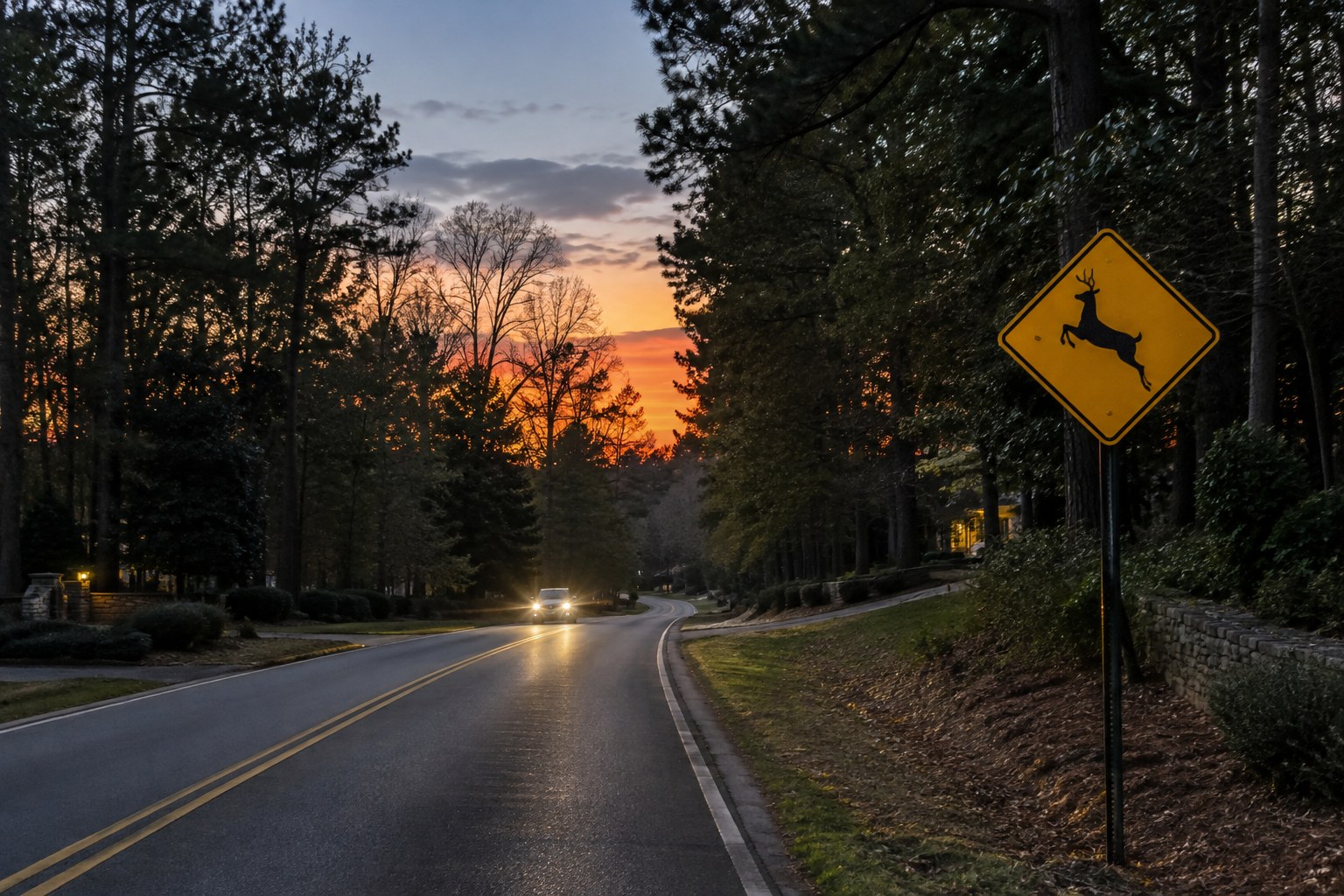
If you hit a deer on a Georgia road, the first few minutes can feel confusing and scary. One second you are driving home, and the next you hear a thud, see broken glass, and feel your heart pounding.
A deer strike is not always a simple single car accident. Drivers swerve into other lanes, cars behind you may not stop in time, and injuries can show up hours later.
Cambre & Associates helps injured Georgians and families across metro Atlanta. Below, we walk through what to do at the scene, how to protect your health, how insurance claims usually start, and what changes when another driver shares the blame.
Hurt in a crash involving a deer and another vehicle? Talk with our team at no cost.
Key Takeaways
- After a deer strike, your first priorities are getting to a safe spot, checking for injuries, and calling 911 if anyone is hurt or the car is blocking traffic.
- Georgia DNR says deer become more active during the rut, which makes them more likely to be hit by motor vehicles, and the timing varies by county.
- Photos, a police report, and prompt medical records can all help later if you file an insurance claim or an injury claim.
- If another driver caused or added to the crash, Georgia’s comparative fault law may still allow you to recover damages if you are less than 50 percent responsible.
- Georgia generally gives you two years to bring a personal injury lawsuit, so it helps to get answers early.
Why Deer Crashes Happen on Georgia Roads
Deer live all over Georgia, including in wooded pockets and green spaces around metro Atlanta. Many drivers think of deer as a rural problem, but suburban roads, county highways, and even stretches near interstates like I-75, I-85, I-20, and I-285 pass by tree lines and open land.
When a deer steps into the road, you have very little time to react. That is why so many of these crashes involve hard braking, sudden swerving, or a chain of cars trying to stop at once.
What Georgia DNR Says About the Rut
The Georgia Department of Natural Resources Wildlife Resources Division explains that the rut is the breeding season for white-tailed deer. According to the Georgia DNR rut map page, “During the rut, the desire to breed causes deer to become more active compared to the rest of the year.”
The same page says bucks “move more and become less secretive, making them easier to hunt and more susceptible to being hit by motor vehicles.”
DNR also notes that the timing of the rut “varies locally, especially in southern climates like Georgia’s.” In other words, there is no single statewide date to watch for. DNR built its county map using deer vehicle collision data provided by the Georgia Department of Transportation, so it is worth checking the dates for the counties you drive through.
Habits That Lower Your Risk
You cannot control where a deer runs, but a few habits give you more time to react:
- Watch the edges of the road, especially near tree lines and fields.
- Use your high beams on dark roads when no traffic is coming toward you.
- If you see one deer, slow down and expect another to follow.
- Leave extra space behind the car ahead so a sudden stop does not turn into a rear end crash.
- Put your phone away. A few seconds of distraction can erase the time you need to brake.
Brake or Swerve?
Swerving is a natural reflex, but it can send you into oncoming traffic, another lane, a ditch, or a tree. Every crash is different, though, and you should never blame yourself for a split second reaction to something that came out of nowhere.
What to Do Right After You Hit a Deer
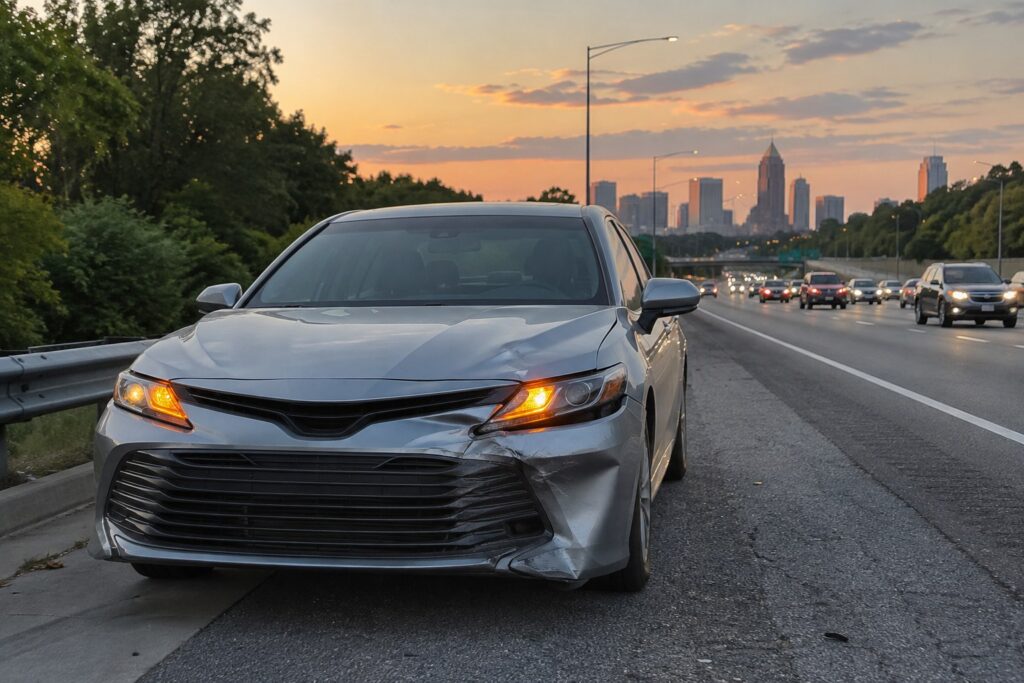
The steps you take in the first hour after a deer strike can protect your safety, your health, and any claim you may need to make later. Try to stay calm and work through these steps one at a time.
Get to a Safe Spot
If your car can move and it is safe to do so, pull onto the shoulder or into a nearby parking lot. Turn on your hazard lights. On a busy highway, staying inside your buckled vehicle may be safer than standing near moving traffic.
Check Everyone for Injuries
Check yourself and your passengers. Look for cuts, head pain, dizziness, or trouble moving. If anyone is hurt, call 911 right away. Do not try to move someone who may have a neck or back injury unless they are in immediate danger.
Stay Away From the Animal
An injured deer can kick and thrash. Do not try to drag it off the road or check on it yourself. Tell the 911 dispatcher or the responding officer where the animal is so they can handle it.
Call the Police
Even if the crash seems minor, a police report creates an official record of what happened, where, and when. That record can matter if your insurance company asks questions later or if another driver was involved. If you need a refresher on general crash steps, see our overview of what to do after a car accident.
Take Photos and Notes
Use your phone to take pictures of:
- Damage to your vehicle from several angles
- The deer, if it is safe to photograph from a distance
- Skid marks, broken parts, and where each vehicle ended up
- Road conditions, lighting, and any nearby deer crossing signs
- Your injuries, both at the scene and in the days that follow
Write down the time, the road name, the direction you were traveling, and the names and contact information of any witnesses or other drivers.
Have questions after a crash involving a deer and another driver? Call our team at (770) 502-6116. We accept calls 24/7.
Injuries After a Deer Collision
A deer is large enough to cause real damage when a car strikes it at road speed. The impact, a sudden swerve, or a second collision with another vehicle or a fixed object can all cause injuries.
Common Injury Types
People hurt in these crashes may experience:
- Neck and back injuries from the sudden stop or impact
- Head injuries, including concussions
- Cuts from broken glass
- Broken bones, especially when a car leaves the road
- Bruising and soft tissue injuries from seat belts and airbags
Motorcycle riders face extra danger because there is no metal frame between the rider and the animal or the road.
Why You Should See a Doctor Quickly
Adrenaline can hide pain. Some people feel fine at the scene and then wake up the next morning with a stiff neck or a pounding headache. Getting checked by a doctor soon after the crash protects your health first.
It also creates a medical record that connects your symptoms to the crash.
Keep Track of Your Recovery
Save every bill, prescription receipt, and appointment note. Keep a simple journal of your pain levels, missed work, and daily tasks you cannot do. These details can help show how the crash changed your life, which can be relevant if you pursue pain and suffering damages in Georgia.
Insurance Claims When You Hit a Deer
Insurance is often the first thing on your mind once everyone is safe. The way your claim works depends on your own policy, what happened in the crash, and whether another driver was involved.
Start With Your Own Policy
Call your insurance company as soon as you can and report the crash. Ask which part of your policy applies to a collision with an animal and which part applies if you swerved and hit something else. Read your declarations page so you understand your coverages and deductibles.
Stick to the facts when you talk with an adjuster. Describe what happened without guessing about speeds or distances you are not sure of.
Medical Payments Coverage
If you carry medical payments coverage, often called MedPay, it may help with medical bills after a crash. Our article on Georgia MedPay insurance explains how that coverage generally works.
When the Other Driver Has Little or No Insurance
If another driver caused or contributed to the crash and does not have enough insurance, your own policy may still help. Learn more about uninsured motorist coverage and why it matters.
Quick Comparison of Common Crash Scenarios
| Scenario | Who Might Be Responsible | Where a Claim Might Start |
|---|---|---|
| You strike a deer and no other vehicle is involved | Usually no other at fault party | Your own insurance policy |
| You brake for a deer and a tailgating driver rear-ends you | The following driver may share or carry fault | Your policy and the other driver’s liability insurer |
| Another driver swerves around a deer and crosses into your lane | The swerving driver may be at fault | The other driver’s liability insurer |
| You swerve and hit another car | Fault may be shared and will depend on the facts | Both drivers’ insurers may be involved |
| A deer strike leaves debris and a distracted driver hits your stopped car | The distracted driver may be at fault | The other driver’s liability insurer |
This table is a simplified starting point. Real cases depend on the evidence, and an attorney can review the facts of your situation.
When You Swerve Into Another Car
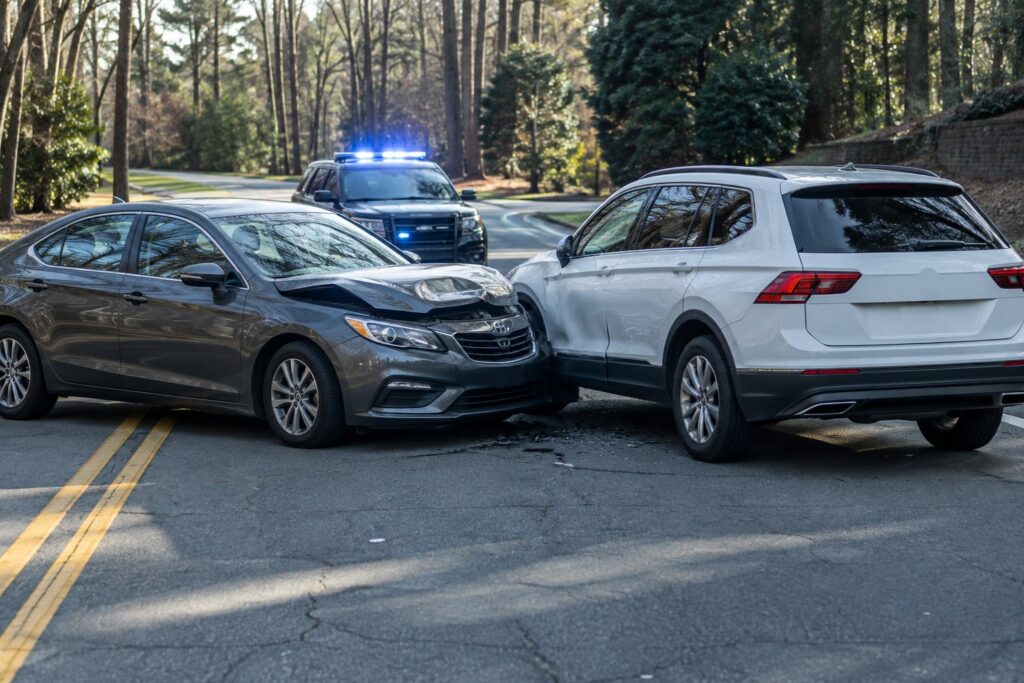
Many of the most serious deer related crashes do not involve the deer at all. A driver reacts to an animal in the road, jerks the wheel, and ends up hitting another vehicle, a guardrail, or a pedestrian.
Why Swerving Raises Fault Questions
When two vehicles collide, insurers will look at how each driver acted. They may ask how fast each driver was going, whether anyone was following too closely, and whether a lane change was safe.
A deer in the road can explain why a driver reacted, but it does not settle the question of who is responsible for the crash with another car. For a broader look at how insurers and courts look at these questions, see our article on how fault is determined in a Georgia car accident.
If You Were the One Who Swerved
Do not admit fault at the scene or apologize in a way that sounds like you are taking the blame. Share the facts with the police and your insurer. Let the evidence, including photos, witness statements, and vehicle damage, tell the story.
If Someone Else Swerved Into You
If another driver swerved to avoid a deer and hit you, you may have a claim against that driver. Get their name, insurance information, and license plate number. Take photos of both vehicles and the area where the deer crossed, if you can do so safely.
When Another Driver Is at Fault
Even when a deer starts the chain of events, another driver’s choices can make the crash much worse. A driver who is speeding, texting, following too closely, or driving impaired may not be able to stop or steer safely when traffic suddenly slows.
Examples of Another Driver’s Role
- A tailgating driver rear-ends you after you brake for a deer.
- A driver going too fast for conditions cannot stop for cars that have slowed for an animal.
- A distracted driver hits your car while you are stopped on the shoulder after a deer strike.
- A driver swerves around a deer without checking the next lane and sideswipes you.
How Comparative Fault Can Affect Your Claim
Georgia uses a comparative fault rule. Under O.C.G.A. § 51-12-33, a person “shall not be entitled to receive any damages if the plaintiff is 50 percent or more responsible for the injury or damages claimed.” If you are less than 50 percent responsible, the statute provides that your damages may be reduced in proportion to your share of fault.
That means it can matter a great deal how responsibility is divided after a multi vehicle crash. Our article on Georgia comparative negligence law covers this rule in more detail.
Deadlines to Keep in Mind
Georgia law sets time limits for injury lawsuits. Under O.C.G.A. § 9-3-33, “actions for injuries to the person shall be brought within two years after the right of action accrues.” The same statute gives four years for loss of consortium claims.
Two years can pass quickly while you are healing, dealing with repairs, and returning to work. Talking with a lawyer early gives you time to gather evidence while it is still fresh.
How Cambre & Associates Can Help
If another driver played a part in your crash, Cambre & Associates can review the facts with you during a free consultation. The firm handles communication with insurance companies and works on a contingency fee basis, which means you pay nothing unless we recover compensation. You can learn more about our car accident legal services or our work as a personal injury attorney in Atlanta.
The information on this page is general information, not legal advice. Every crash is different, and an attorney can tell you how the law applies to your situation.
Want someone to look at your crash and explain your options? Reach out today.
Frequently Asked Questions
Should I call the police if I hit a deer and no one is hurt?
Calling the police is usually a smart move, even when no one is hurt. An officer can help with traffic, the injured animal, and debris in the road. A police report also gives you an official record of the time, place, and circumstances, which your insurance company may ask about. If your car is blocking a lane, call 911 right away.
Can I file an injury claim if a deer caused my crash?
If the only cause was a deer and no other driver was involved, there may be no at fault party to bring a claim against, and your own policy is usually where you start. If another driver contributed, such as by tailgating, speeding, or swerving into you, you may have a claim against that driver. An attorney can review the facts and explain your options.
What if I swerved to miss a deer and hit another car?
When you swerve and hit another vehicle, insurers will look at the actions of both drivers. A deer in the road helps explain your reaction, but fault will depend on the evidence, such as speed, following distance, and lane position. Avoid admitting fault at the scene. Share the facts with police and your insurer, and consider getting legal guidance.
When is deer activity highest in Georgia?
Georgia DNR explains that deer become more active during the rut, or breeding season, and that bucks become more likely to be hit by motor vehicles during that time. DNR also says the timing varies locally in Georgia, so there is no single statewide date. You can check the DNR rut map to see estimated peak timing for the counties where you drive.
What if I feel fine after the crash but get sore later?
It is common for pain to show up hours or even days after a crash, once adrenaline wears off. See a doctor as soon as you notice symptoms, and tell them you were in a crash. Prompt treatment protects your health and creates a record that links your symptoms to the collision. Keep copies of all medical bills and notes.
How long do I have to file a lawsuit after a deer related crash?
Under O.C.G.A. § 9-3-33, Georgia generally requires personal injury lawsuits to be brought within two years after the right of action accrues. Loss of consortium claims have four years. Insurance policies may also have their own notice requirements, so report the crash to your insurer promptly. Speaking with a lawyer early helps you avoid missing an important deadline.
Ready to Talk With Cambre & Associates?
If you hit a deer and another driver made the crash worse, or you were hurt when someone swerved into you, you do not have to sort it out alone. Call Cambre & Associates at (770) 502-6116 for a free consultation. Our Atlanta office is at 2310 Parklake Drive NE, Suite 300, Atlanta, GA 30345, and you can also contact us online.